In a landmark decision that reverberated through legal and artistic circles, Grammy-nominated rapper Afroman, born Joseph Foreman, emerged victorious in a high-stakes Afroman Defamation Lawsuit. The case, brought by seven Ohio sheriff’s deputies, pitted claims of public harassment against the fundamental constitutional right to free speech and the artistic license of parody. At its core, this saga is a testament to the power of creative expression in challenging authority and underscores critical conversations around police accountability and the limits of artistic commentary. This isn't just a story about a musician winning a lawsuit; it's about a victory for every artist, every citizen, and the enduring principles of the First Amendment.
The Raid That Sparked a Rhythmic Retort
The genesis of this legal battle traces back to August 2022, when Afroman’s tranquil home in Adams County, Ohio, was unexpectedly raided by the local Sheriff’s office. The warrant cited a drug and kidnapping investigation, but what ensued was a fruitless search that yielded no illegal substances and resulted in no charges being filed against the musician. For Foreman, this wasn't just an inconvenience; it was a traumatic invasion of his private sanctuary, witnessed by his then 10 and 12-year-old children.
The Unwarranted Intrusion
Imagine the frustration: your home, your personal space, breached by rifle-wielding officers, only for them to find nothing. Afroman testified to the emotional toll, stating, “The whole raid was a mistake. All of this is their fault. If they hadn’t have wrongly raided my house, there would be no lawsuit. I would not know their names.” The raid caused tangible damage, including a broken gate and a front door, losses that Afroman felt compelled to address and, ultimately, satirize.
Turning Trauma into Tunes: Afroman's Viral Videos
Rather than quietly accept the violation, Afroman chose a powerful, distinctly artistic path: he turned his home security footage of the raid into a series of highly popular music videos. These videos, which quickly garnered millions of views on platforms like YouTube, became his way of documenting the event, seeking recompense, and speaking out against what he perceived as an unjust intrusion. The lyrics of his songs directly referenced moments from the raid, transforming a stressful incident into a potent form of social commentary and musical protest.
The "Lemon Pound Cake" Phenomenon and Other Musical Rebuttals
One of the most memorable and widely discussed moments from the security footage was an officer pausing to eye a pastry on Afroman’s kitchen table. This seemingly innocuous detail became the inspiration for the hit song, ‘Lemon Pound Cake,’ with lyrics like, “Did you find what you were looking for/ Would you like a slice of lemon pound cake/ You can take as much as you want to take.” This wasn’t just humor; it was a pointed critique, highlighting the officers’ actions during a supposed serious investigation. Other videos showed deputies searching his shoes and suit pockets. Further, Afroman directly accused the officers of stealing $400 during the raid, integrating these allegations into his lyrics and famously stating, “Police officers shouldn’t be stealing civilians’ money.” This act of turning surveillance footage into a public narrative was central to the ensuing Afroman Defamation Lawsuit.
The Legal Gauntlet: Defamation Claims vs. Artistic Freedom
The viral success of Afroman’s videos led to significant public attention—and, according to the deputies, public harassment. The seven Ohio sheriff’s deputies subsequently filed a defamation lawsuit against Afroman, seeking nearly $4 million in damages. Their claim was that Afroman’s videos and social media posts, which depicted them in a critical light and sometimes identified them, had defamed their characters and caused them distress and public ridicule. This legal action set the stage for a crucial examination of defamation law, the rights of public figures, and the expansive umbrella of free speech.
The Police's Pursuit of Damages
The deputies argued that Afroman's artistic expression crossed the line into defamation, causing them to be "publicly harassed." Their legal team aimed to prove that the rapper's portrayal of them as "crooked cops" and alleged thieves was false and maliciously intended to harm their reputations. For law enforcement officers, reputation and public trust are paramount, and they felt these videos undermined both. The substantial monetary damages sought underscored the perceived severity of the alleged harm.
Defending the First Amendment: Afroman's Stance
Afroman, represented by defense lawyer David Osborne, mounted a robust defense rooted firmly in the First Amendment. His argument was multifaceted:
- Parody and Satire: The videos were presented as parody and satire, artistic forms traditionally afforded strong protection under free speech. The defense argued that no reasonable person would expect police officers, who are public figures, to be immune from criticism or lampooning.
- Truth as a Defense: Afroman testified that his claims of missing money and the overall impropriety of the raid were true, based on his personal experience and observations. Truth is a powerful defense against defamation.
- Public Interest and Accountability: Afroman asserted his right to inform his friends and fans about what police had done. He viewed his actions as a means of seeking justice for the damages incurred during the raid and highlighting potential misconduct.
- Mitigation of Damages: The rapper contended that his songs were also a way to cover the damages from the raid, including the broken door and gate, transforming a personal grievance into a public call for accountability.
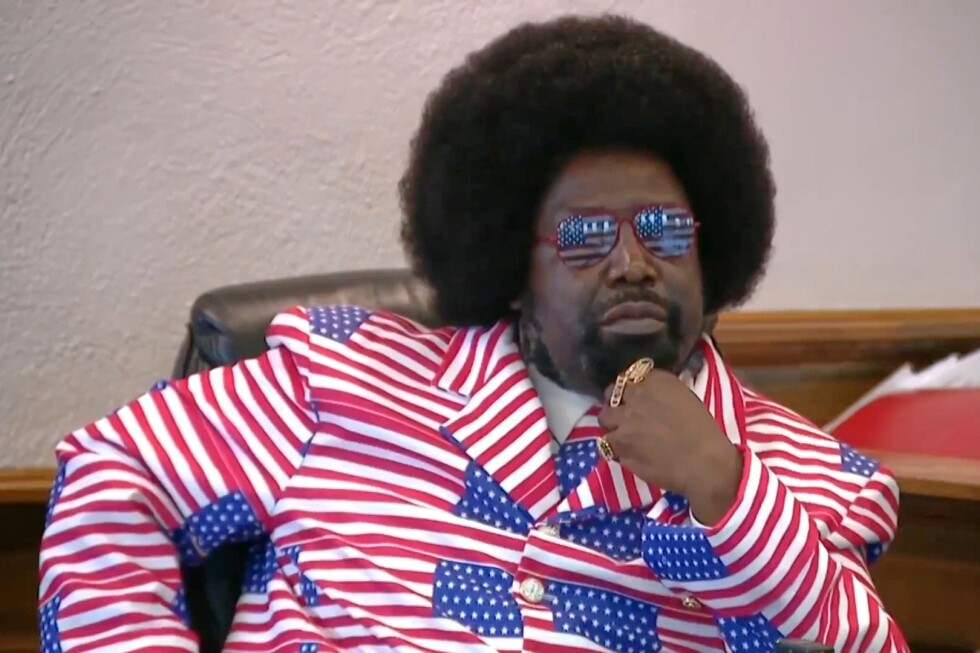
Wearing a striking red, white, and blue American flag suit in court, Afroman embodied the spirit of his defense, signaling a fight for American ideals of freedom and justice. His testimony underscored the personal impact, noting the raid traumatized his children, further justifying his need to speak out.
A Landmark Victory for Free Speech and Parody
After intense deliberation, the jury sided with Afroman, delivering a verdict that cleared him of any wrongdoing. The rapper's jubilant cry outside the courthouse — “We did it America! Yeah, we did it! Freedom of speech! Right on! Right on!” — quickly went viral, encapsulating the significance of his win. This verdict wasn't just a personal triumph for Joseph Foreman; it was a significant affirmation of free speech principles, particularly concerning artistic expression and social commentary directed at public officials.
Broader Implications and Lessons Learned
The Afroman Defamation Lawsuit has several crucial implications:
- Strengthening Parody as a Defense: The case reinforces the legal protection afforded to parody and satire, even when it targets public figures and incorporates real-life events. It sets a precedent that artists have broad license for social commentary.
- Police Accountability: This outcome highlights the growing expectation for police transparency and accountability, especially in an era where citizen surveillance and social media can quickly amplify events. It suggests that law enforcement officers, as public servants, must be prepared for scrutiny and criticism.
- The Power of the Arts: Afroman’s journey demonstrates how music and creative media can serve as potent tools for protest, information dissemination, and seeking justice, giving voice to those who feel wronged by authority.
- Navigating Real-Life Content: For artists, this case provides a valuable lesson: while incorporating real-life events can be compelling, understanding the nuances of defamation law, particularly regarding public vs. private figures and the elements of truth and malice, is crucial.
- Documenting Interactions: For citizens, it underscores the importance of documenting interactions with law enforcement, as personal recordings can provide vital evidence in legal disputes and contribute to public discourse.
Afroman’s victory serves as a powerful reminder that the First Amendment remains a cornerstone of American democracy, protecting even the most provocative forms of expression. It underscores the challenging but vital balance between protecting individual reputations and upholding the public's right to criticize, question, and even lampoon those in positions of power.
The Afroman Defamation Lawsuit marks a significant moment in the ongoing dialogue about free speech, artistic freedom, and police oversight. By successfully defending his right to turn a personal grievance into a public artistic statement, Joseph Foreman has not only protected his own creative license but has also affirmed the enduring strength of the First Amendment for artists and citizens alike. His case provides a compelling example of how humor and music can be effective tools for addressing serious issues, ensuring that the spirit of free expression continues to thrive in America.