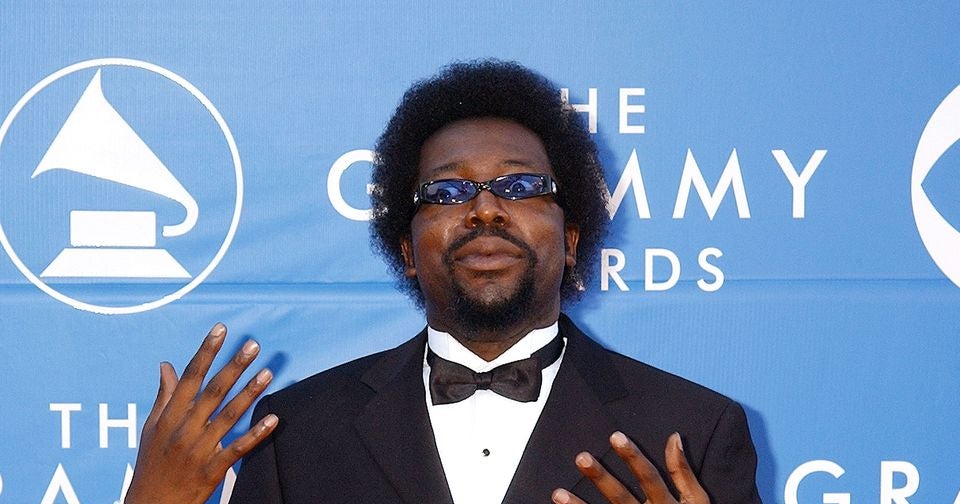
Afroman Triumphs in Defamation Lawsuit, Cementing Free Speech Protections
In a landmark decision echoing through the corridors of artistic freedom and legal precedent, Grammy-nominated rapper Afroman, born Joseph Foreman, has emerged victorious in a high-profile defamation lawsuit. Seven Ohio sheriff’s deputies had sought nearly $4 million in damages, alleging public harassment and defamation over music videos Afroman released, which featured home security footage of a controversial 2022 raid on his residence. The verdict, delivered recently, not only cleared Afroman of all wrongdoing but also ignited crucial conversations surrounding the First Amendment, the boundaries of parody, and the accountability of public figures.
This Afroman's Landmark Defamation Win: Free Speech vs. Police stands as a powerful testament to the enduring strength of free speech, particularly when artists use their platform for social commentary and satire. It’s a case that has captivated audiences, underscoring the delicate balance between protecting individual reputations and upholding fundamental constitutional rights.
The Raid That Sparked a Legal Battle
The saga began on an ordinary day in August 2022 when the Adams County Ohio Sheriff’s office executed a raid on Afroman's home. The warrant cited a drug and kidnapping investigation, leading to a dramatic entry by rifle-wielding deputies who busted down his door and thoroughly searched his property. However, the search yielded no illegal substances, no evidence of kidnapping, and ultimately, no charges were filed against the musician. From Afroman's perspective, the entire raid was a profound and traumatic mistake.
Testifying in court, Foreman vividly recounted the raid's impact, particularly on his then 10 and 12-year-old children, who were traumatized by the experience. Beyond the emotional toll, the raid left tangible damage: a broken gate and a shattered front door. For Afroman, the absence of criminal charges only amplified the injustice of the situation. "The whole raid was a mistake. All of this is their fault," Foreman stated during his testimony. "If they hadn't have wrongly raided my house, there would be no lawsuit. I would not know their names. They wouldn't be on my home surveillance system, and there would be no songs, nothing." This sentiment formed the bedrock of his defense, asserting his right to tell his story and share his experience with his fans and the public.
From Surveillance to Satire: The Viral Videos
Armed with compelling home security footage, Afroman transformed his indignation into art. He released a series of music videos, prominently featuring the raw, unedited moments of the raid. These videos quickly went viral, drawing millions of views and sparking widespread debate. One particularly memorable clip captured an officer pausing to gaze at a pastry on Afroman's kitchen table, a moment that famously inspired the song "Lemon Pound Cake." Other tracks, like "Will You Help Me Repair My Door?", directly addressed the officers with lyrics that blended humor with pointed questions about their actions: "Did you find what you were looking for/ Would you like a slice of lemon pound cake/ You can take as much as you want to take."
The videos showcased deputies rummaging through his shoes and suit pockets, and even a moment where $400 allegedly went missing. Afroman openly criticized the officers, labeling them "crooked cops" and questioning their conduct. His musical response served multiple purposes: to expose what he perceived as police misconduct, to cover the damages incurred during the raid, and to process his own experience through his primary medium—music. The creative approach in these works, blending factual footage with satirical lyrics, became the central point of contention in the ensuing legal battle. It highlighted the power of an artist's platform in shaping public perception and holding institutions accountable.
A Landmark Victory for Free Speech and Artistic Expression
The verdict in Afroman's favor arrived after a tense trial, with the rapper appearing in a striking red, white, and blue American flag suit, embodying his defense of the First Amendment. Outside the courthouse, a jubilant Foreman shouted, "We did it America! Yeah, we did it! Freedom of speech! Right on! Right on!" His declaration encapsulated the significance of the win, not just for him personally, but for the broader principles of free expression. This Afroman's Parody Wins: Music Videos & Police Defamation Lawsuit reinforces that artistic critique, even when sharp or unflattering, enjoys robust protection.
The defense lawyer, David Osborne, eloquently argued in closing statements that "No reasonable person would expect a police officer not to be criticized. They’ve been called names before." This statement underscored a critical aspect of defamation law concerning public figures: they operate under a higher standard. To prove defamation against a public official, the plaintiff must typically demonstrate "actual malice"—meaning the statement was made with knowledge of its falsity or with reckless disregard for the truth. In Afroman's case, the defense successfully argued that his videos were a form of parody and social commentary, protected under free speech, and not factual assertions made with malicious intent to defame. The jury's decision reaffirms that public officials, by the nature of their role, are subject to a greater degree of public scrutiny and criticism, even through artistic means.
Navigating the Line: Free Speech, Parody, and Public Figures
Afroman's victory provides invaluable insights into the intricate relationship between free speech, artistic expression, and defamation law. For artists and creators, this case serves as a powerful reminder of the First Amendment's protections, particularly when engaging in satire or social commentary targeting public figures. However, it also highlights the delicate balance that must be maintained. Here are some key takeaways:
- The Power of Parody: Parody, satire, and comedic critique are generally protected forms of speech. The court often recognizes that no reasonable person would interpret such works as factual assertions. Afroman's use of real footage, combined with exaggerated and humorous lyrics, helped cement the argument for parody.
- Public Figures and Higher Standards: Public officials and figures have a higher bar to clear when proving defamation. They must typically demonstrate "actual malice"—that the defendant knew the statement was false or acted with reckless disregard for the truth. This is a significantly more difficult standard to meet than for private citizens.
- Context is Key: The context in which statements are made—whether in a news report, a comedic song, or a social media post—is crucial. Afroman's work was presented as musical commentary, not a documentary, which influenced how the jury might have perceived the truthfulness or intent behind his words.
- Art as Activism: The case demonstrates how creative expression can be a potent tool for activism and holding power accountable. Afroman used his platform and his art to respond to a perceived injustice, turning a personal trauma into a public conversation about police conduct.
While artists enjoy broad free speech protections, it's essential to understand that these rights are not absolute. There remains a distinction between protected commentary and knowingly false statements of fact made with malicious intent. Afroman's case underscores that when the intention is clearly satirical or critical commentary on public events and figures, the shield of the First Amendment is robust.
Conclusion
Afroman's win in the defamation lawsuit against the Ohio sheriff's deputies is more than just a personal triumph; it's a significant victory for free speech and artistic liberty across America. It sends a clear message that artists have the right to use their platforms to critique, satirize, and comment on public events and figures, even when that commentary is sharp or unflattering. This case will undoubtedly be cited in future discussions about the limits of parody, the responsibilities of public officials, and the fundamental right of every individual to express their truth, especially when confronting perceived injustices. As Afroman himself declared, "Freedom of speech! Right on!"—a sentiment that resonates profoundly in the wake of this landmark decision.